
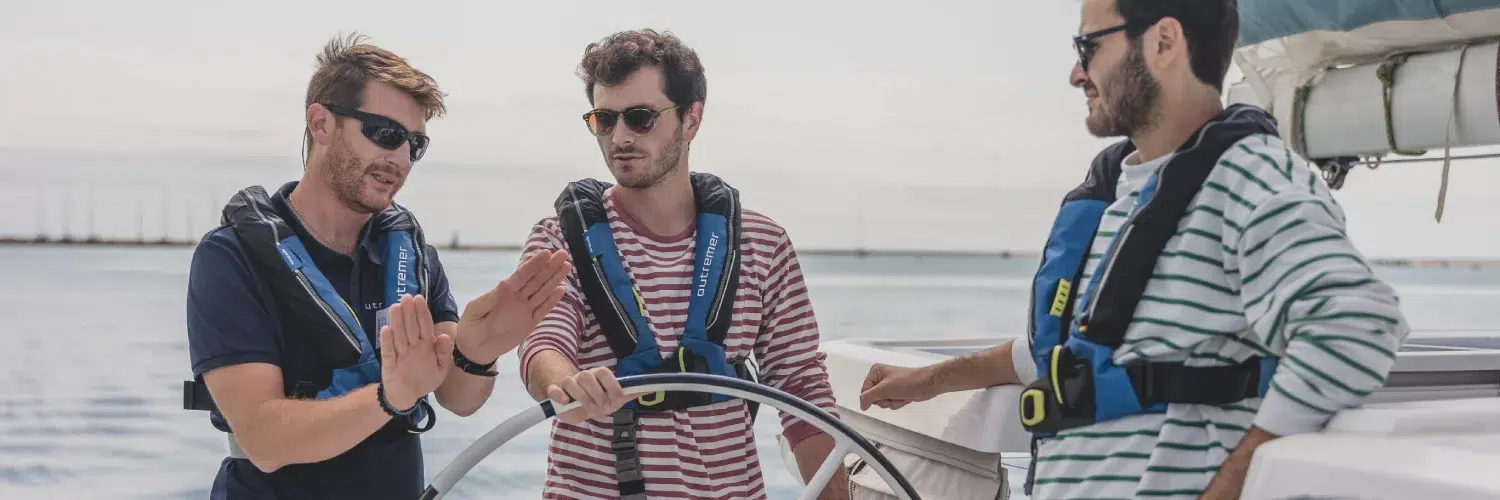
Author : Nikki Henderson
How many of us listen intently to an aeroplane safety briefing? I imagine it’s less than half. And yet, imagine if there was no safety briefing before take-off. It would feel as if something was… missing?
I expect most of us know that the aisles will light up and guide us to our nearest exit in the event of an emergency evacuation on an aeroplane. So, if we all know the answers – what is the point of the safety brief? What is it that we feel we are missing if it’s not delivered?
We expect a certain level of safety conscientiousness onboard any aircraft. The safety brief, albeit one that tells us mostly stuff we already know, is a strong indicator to passengers that the airline is taking safety seriously.
So safety briefings don’t just educate, and set standards, they also set the tone onboard the aircraft. In explaining where the emergency exits are, the airline staff are delivering a deeper message: “on this vessel, we have considered worst case scenarios, we have a plan in the case of an emergency, and are prioritise your safety.”
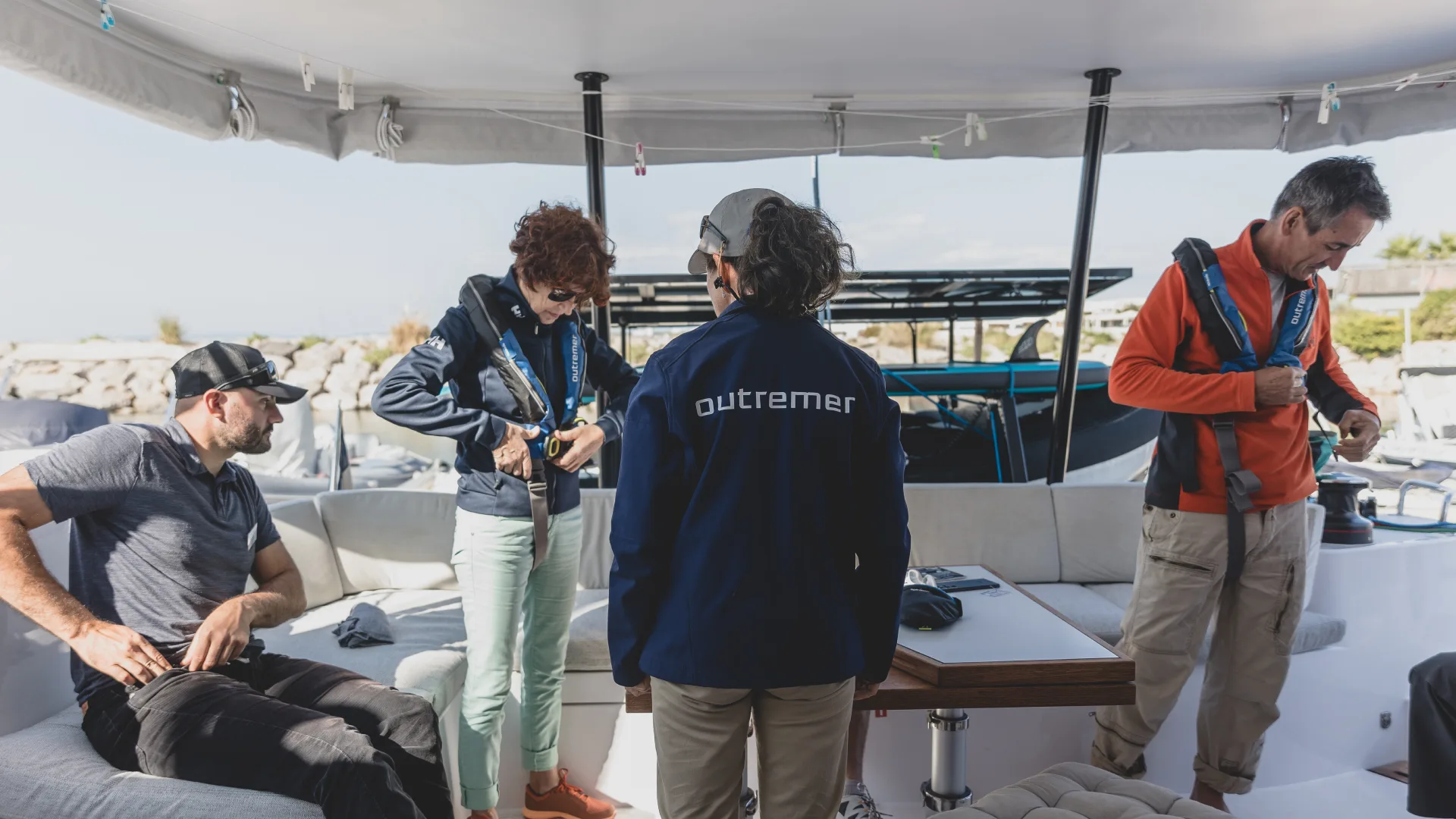
We have become accustomed to safety briefs on aeroplanes. They have become a ritual to the pre-take off experience. Rituals, in their repetition, they are comforting. As we hear them, we instinctively believe ‘all is well’ and ‘all is as it should be’. That we can feel calm as we sit in our chairs, prepare to defy gravity, and spend several hours 30,000 feet in the air with absolutely no control on our fate, is impressive. Rituals are powerful.
And the comfort of the safety ritual extends beyond passengers. Airline staff also feel more relaxed as a result of the regular safety demonstration. They never have to ask themselves the question: “Should we brief on this flight? When? What should we brief? For how long?” It’s just what they always do. Less decisions for airstaff means less work, less stress and less risk. And calmer passenger of course, also help.
I can imagine that when safety briefs were first introduced on aeroplanes, it would have met some backlash. They would have felt awkward. Annoying. Even a waste of time. But now, there are generations who have never flown without a safety brief. The briefs – so regular, repetitive and consistent – have changed the safety culture in flying. Now we come to expect it. The lens has completely changed.
Now let’s consider sailing. It’s a different story.
Safety briefs onboard sailboats are not a given. They aren’t a ritual. Guests and crew never know quite whether to expect them or not. And skippers never know quite whether they will be the most popular person or the least popular person in the room if they insist on them.
And I get it. It can feel a drag to welcome your friends onboard, hand them a cocktail and say:
“Welcome, friends, to paradise. Relax and take a seat. I need to lecture you for an hour about all the doom and gloom worst-case scenarios. So, get sweaty, get sticky and make yourself severely uncomfortable.”
It’s not many peoples’ idea of being a ‘good host’. It feels negative; like you are at risk of scaring your guests. And consequently, safety briefings are often rushed, cut short, pushed back to the last minute, or not done at all.

Conversely, in the sail training world, there are always safety briefs. Often, skippers take several days to deliver them. But, sadly, that is only enforcing the reputation of safety briefs as something ‘only beginners need’.
Remembering the aircraft example, safety briefs are valuable. Now let’s apply the same logic to boats.
Safety briefs make boats safer. They guide people to maintain their own personal safety better. They educate people on how to act in emergency situations, to reduce the risk of the emergency situation threatening the wellbeing of the crew or the vessel. They enforce a culture of safety onboard. They set a tone onboard, that safety is a priority. They comfort people, especially those with very little control. They relax people, crew and skipper.
In other words, safety briefs make people safer and feel safer.
I completely understand the hesitation of giving a safety brief. I’ve experienced the feeling that you need to apologise for it. I frequently question myself and consider not giving a safety brief. But, in all these cases, it’s just fear and ego driving me. There are many reasons not to give a safety brief. I can sympathasise and understand with them. But they are not good reasons.
How do I know that?
Because there is never a justification for not giving a safety brief. The key is to try and make your safety brief as concise, informative and entertaining as possible. Use props, be energetic, have fun, make jokes, create clear objectives in your delivery and whatever you do avoid the ‘death-by-lecture’.
If you can knit a safety brief into your every day schedule, you will eventually stop noticing it’s even a ‘thing’. It’s just part of the routine. Before you know it, like an aircraft, the safety brief will be a matter of ritual. Something that it would feel weird and awkward to go to sea without doing, rather than something that feels awkward to do.
So please, I encourage you, safety brief. Keep your crew safe. Keep yourself safe. And if, you still receive backlash. Blame me, and this blog post.
Continue navigation

Moonshot across the Panama Canal
” The Panama Canal is such a mythical place that we crossed it twice in a row! “
Lynne & Peter – EQUINOX – Outremer 55
“We counted back the years left and asked ourselves: well, what do we want to get done?”

Finding the perfect balance between Comfort and Performance
A sailor’s perspective on how Outremer catamarans successfully combine speed, safety, and onboard comfort – without compromise.